
Centre of attention – how to do kitchen islands successfully
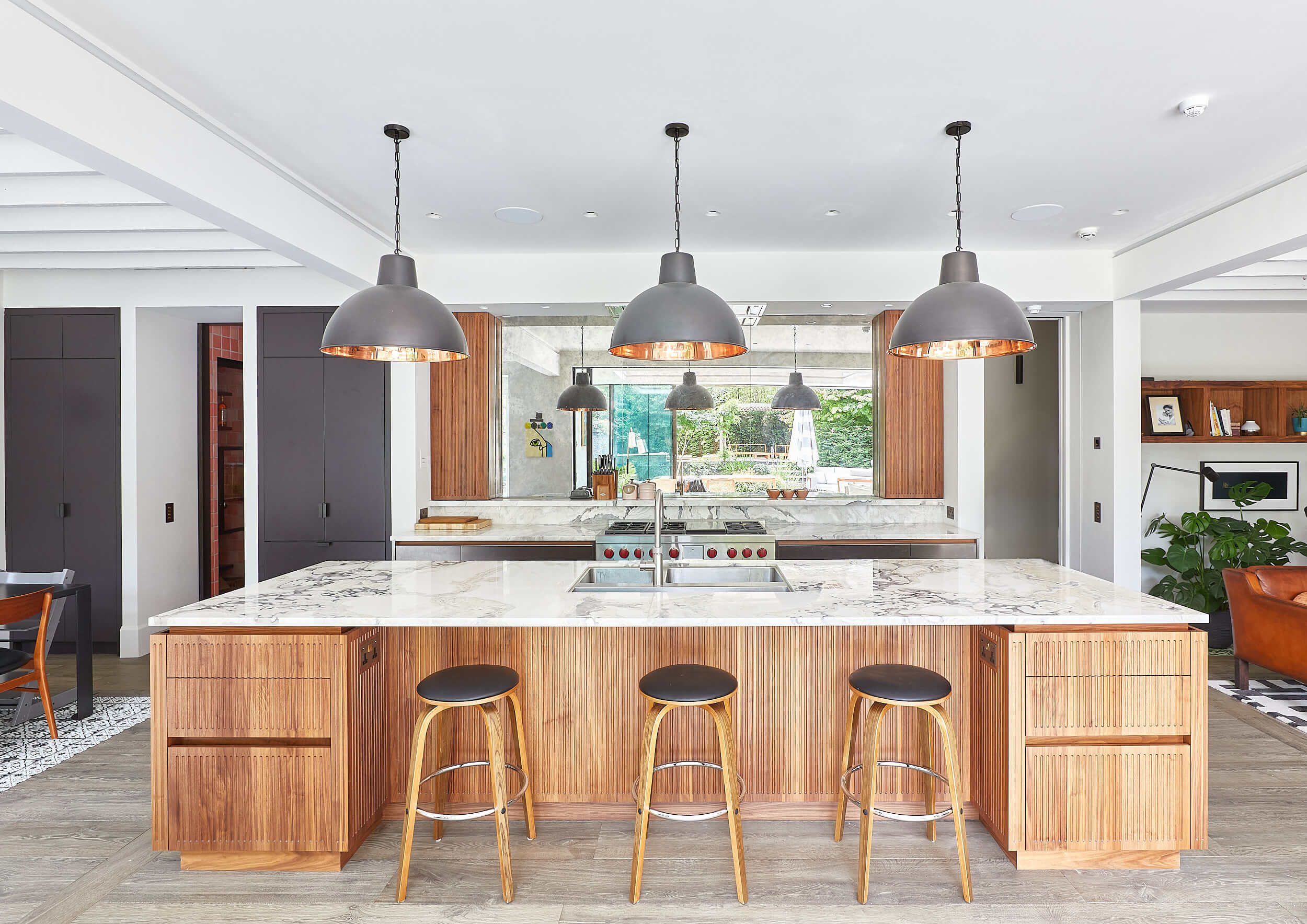
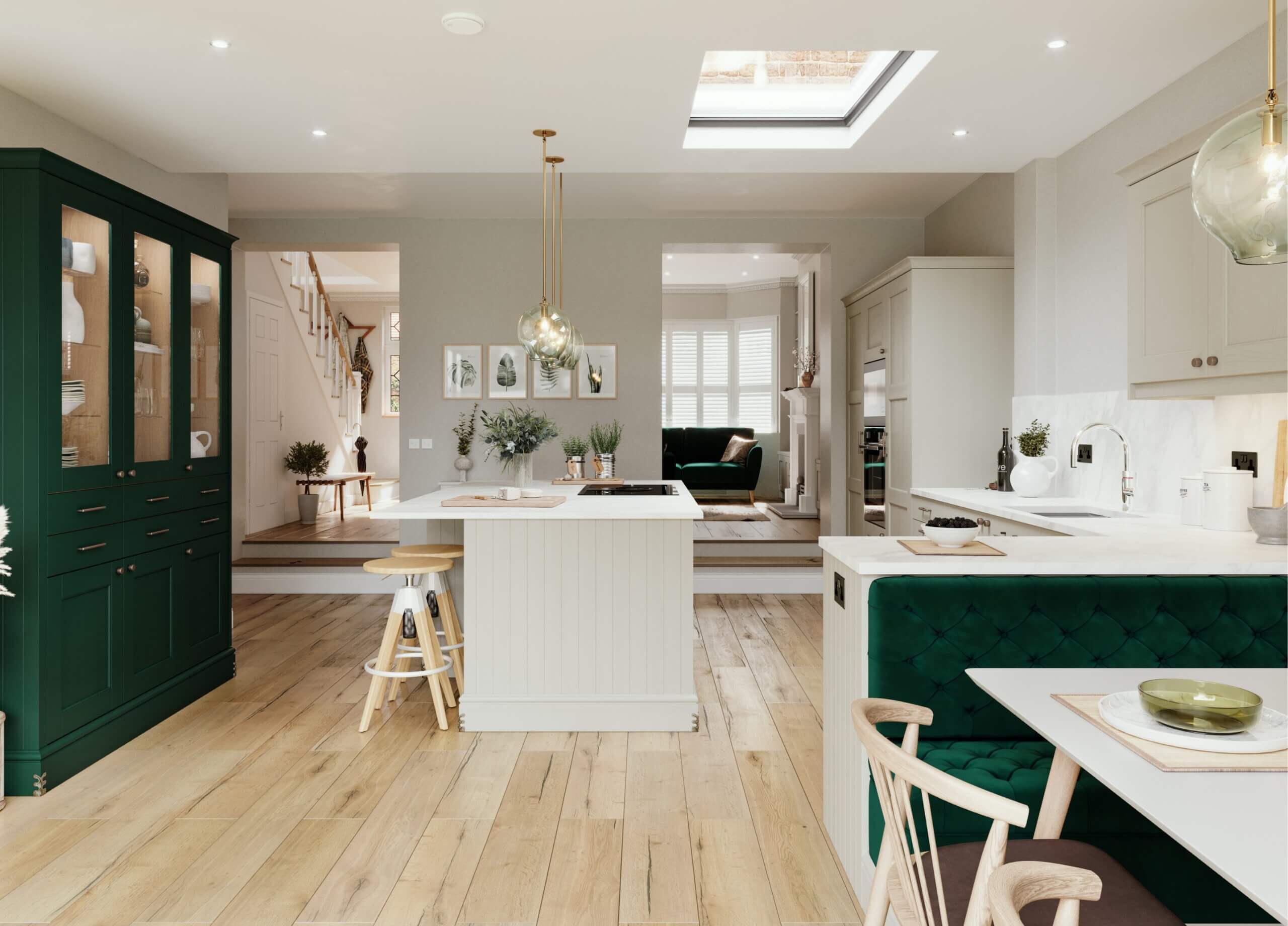
Known for crafting beautifully tailored kitchen spaces, Kitchens by Holloways has long believed that successful design begins with understanding how a space is lived in. Nowhere is this truer than in the design of the kitchen island, a feature that, when thoughtfully considered, can transform a kitchen into a truly versatile, functional and characterful space.


Too often, the kitchen island is treated as a must-have, without due consideration for proportion or purpose. The result can be an island that overwhelms the room or worse, one that serves little function at all.
For Kitchens by Holloways, the key to a successfully designed island lies in restraint, proportion and intent. A well-designed island should always relate to the cabinetry around it and be guided by the overall layout of the room. It’s not about making a statement for its own sake; it’s about making the entire room work as a whole.
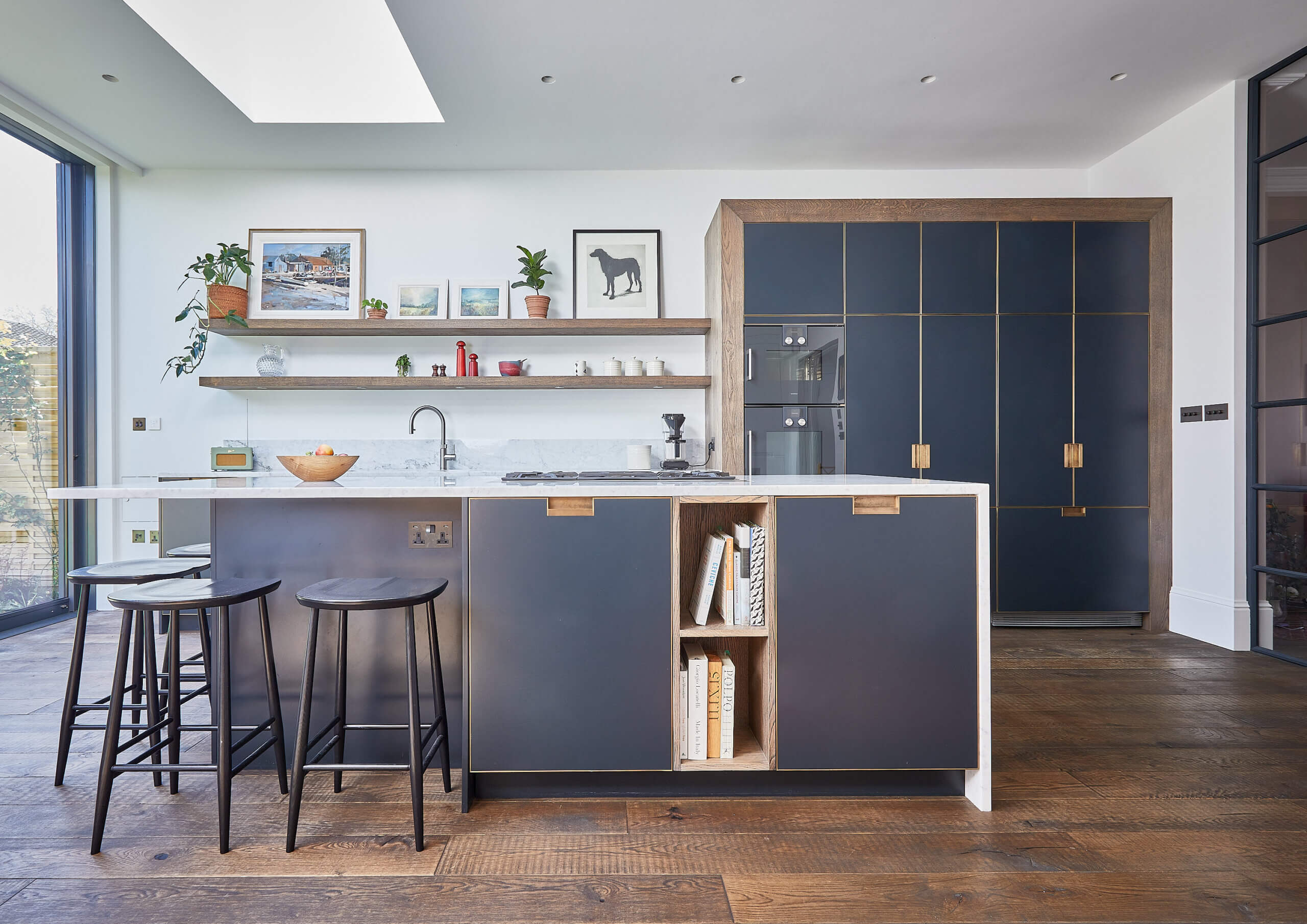
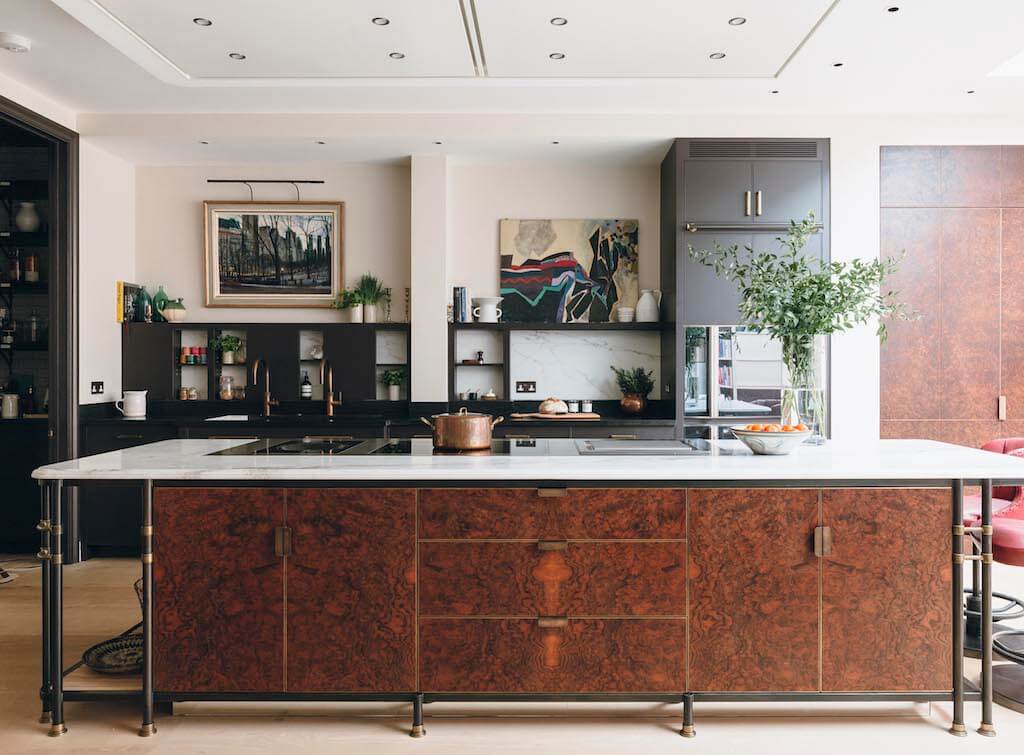
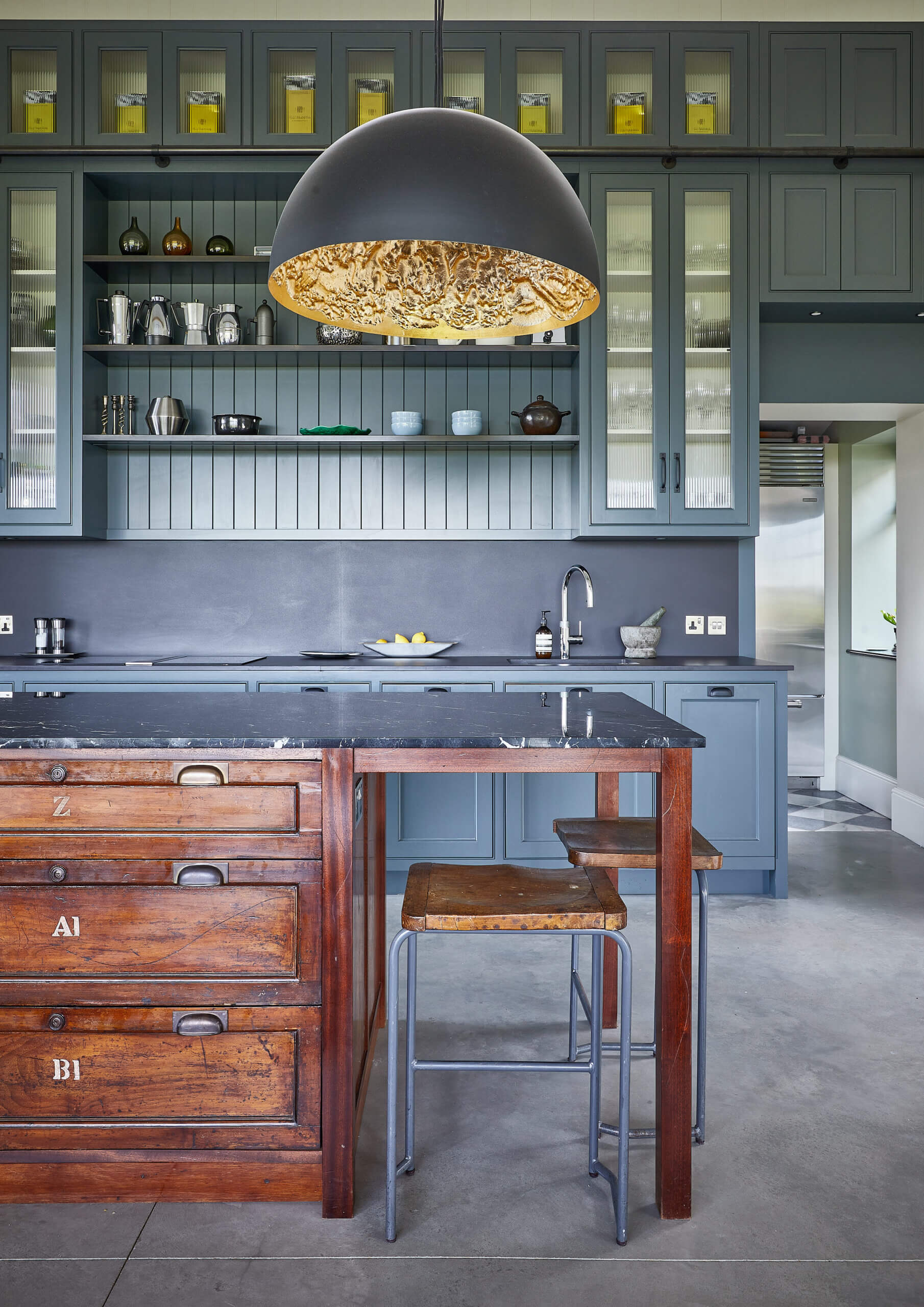
“An island can be a bit of a Swiss Army knife,” says Charles Elwell, design director at Kitchens by Holloways, “adding vital worktop space, smart storage
and a dynamic place to gather, cook and connect. Whether it includes discreet bench seating for family meals or a simple perch for morning coffee, an island can add layers of functionality without sacrificing flow or elegance. When carefully designed and placed, it can unlock better cooking or wet zones, improve circulation and even subtly divide open-plan spaces, connecting kitchen, dining and living areas in seamless harmony.”
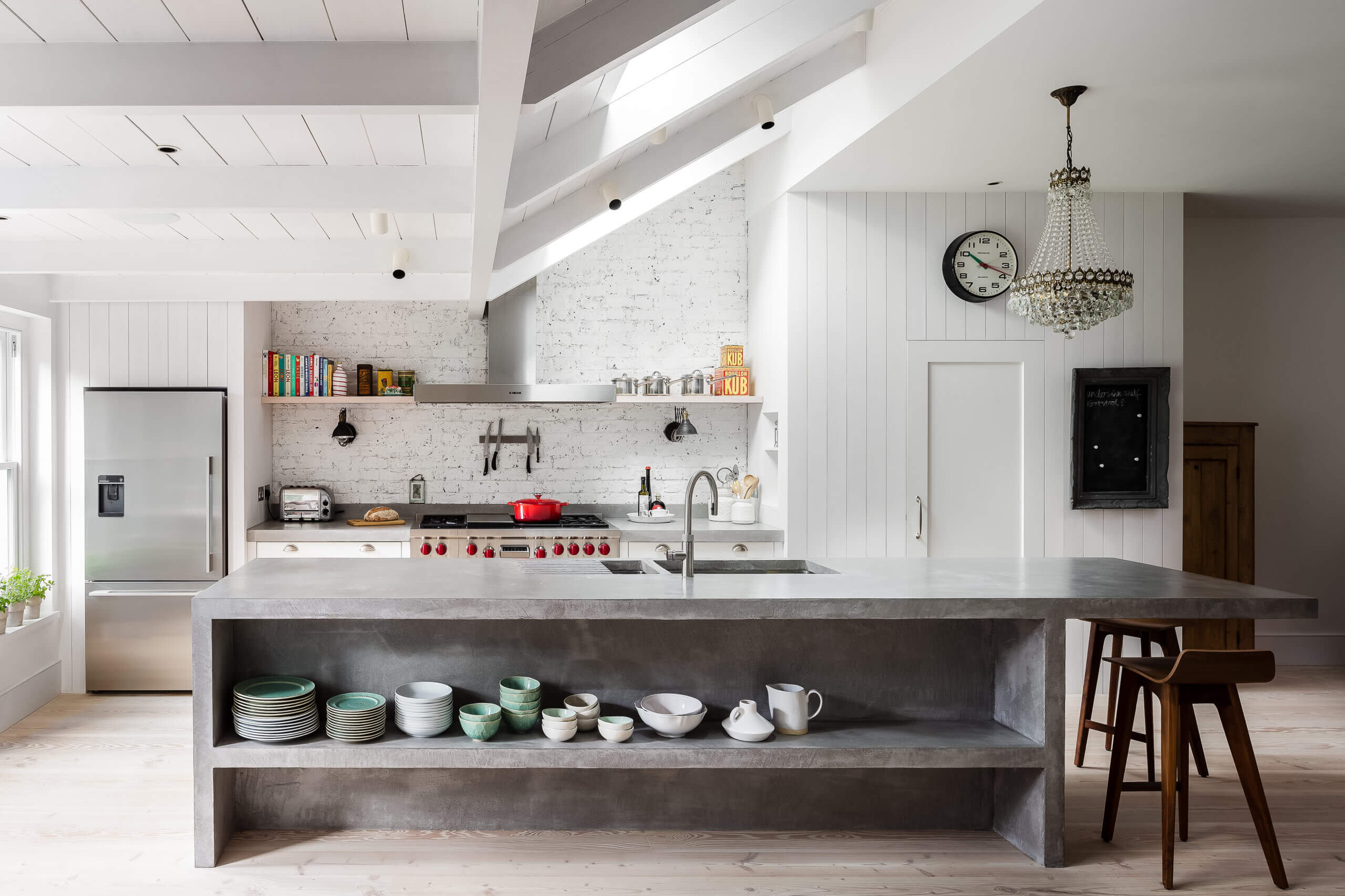 Functionality and spatial planning sit at the heart of every decision, adds Kitchens by Holloways. If a hob is placed on the island, it must be supported with practical storage, sufficient workspace and safe seating clearance. If the sink is located on the island instead, that means rethinking materials and elements such as internal storage to avoid clutter on what is often the most visible surface in the room. Islands free from both hobs and sinks offer an opportunity to treat the island like a standalone piece of furniture, ideal for entertaining or incorporating playful touches such as integrated ice buckets or book shelving.

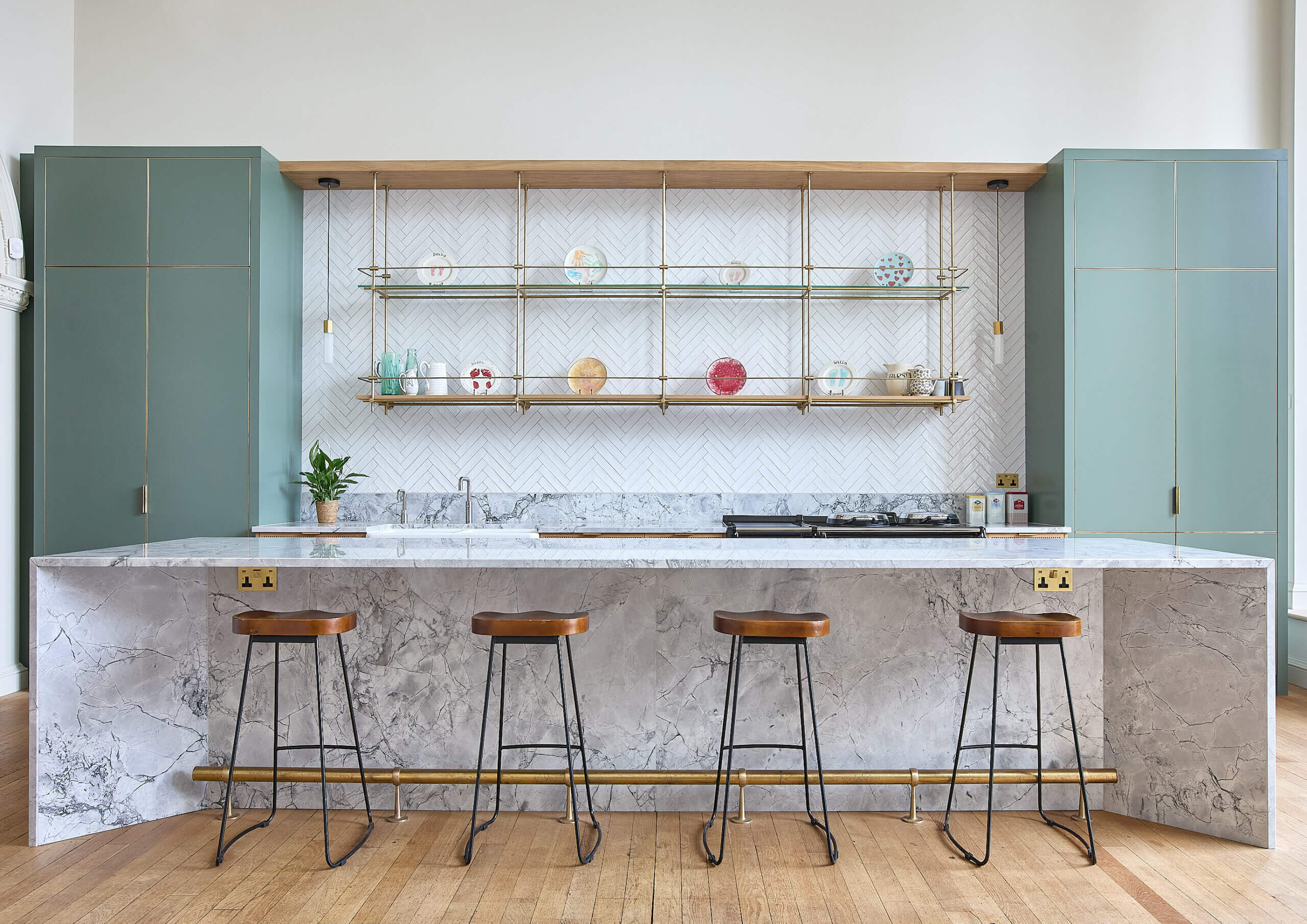
Never a default, the kitchen island should be a considered, crafted part of a bigger picture, designed not to fill a space but to enhance it. With every kitchen designed and made with each customer’s individual needs and preferences in mind, Kitchens by Holloways ensures that every island is tailored to its setting and purpose, combining superior design values with unique, real-life appeal.
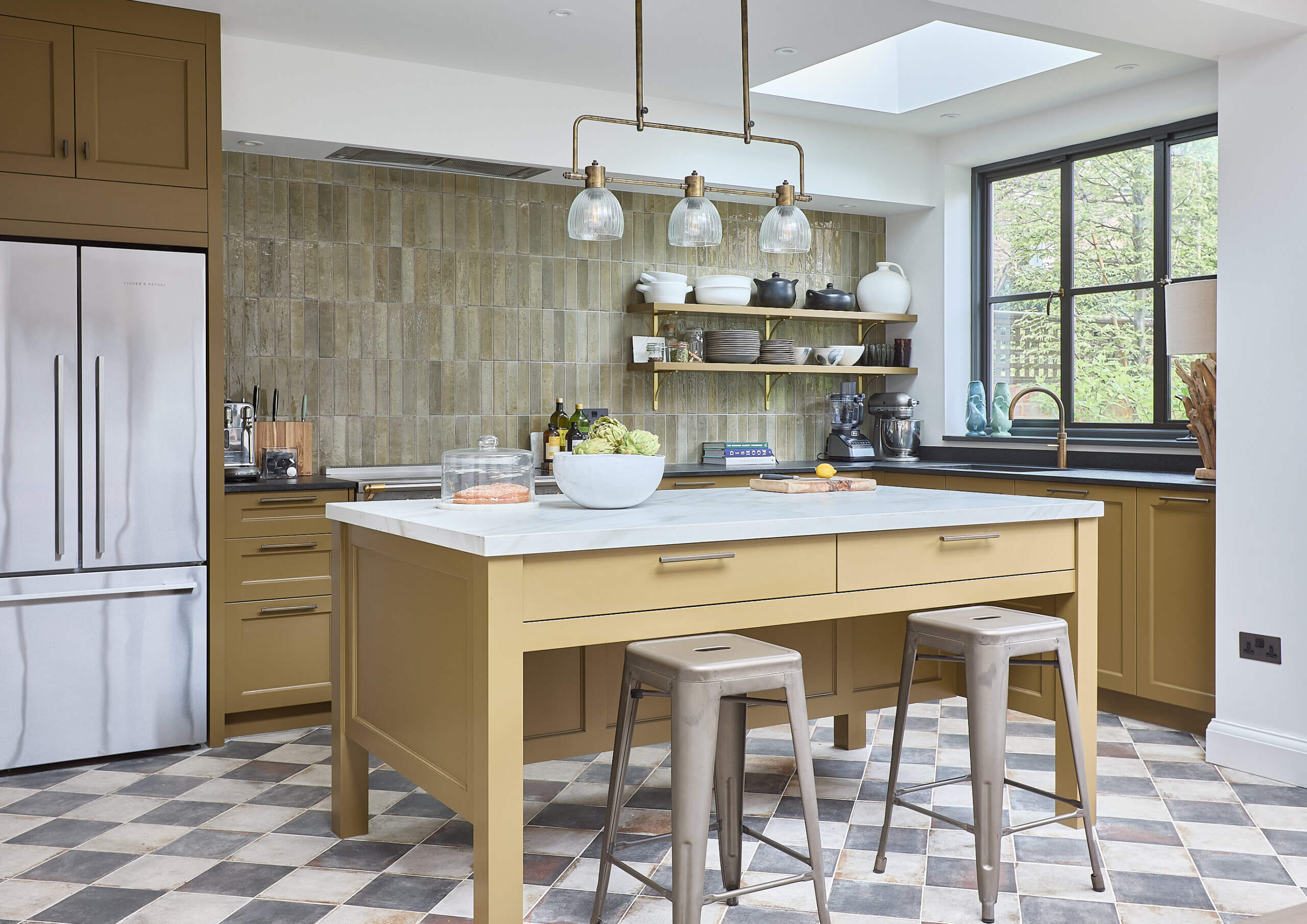
Islands are a practical and aesthetically pleasing feature of an open-plan kitchen. So what advice does LochAnna Kitchens have when it comes for designing for these large, airy spaces?

Sinead Trainor, kitchen category manager at LochAnna, says, “When designing an open-plan kitchen, it’s important to consider whether you want to hide away the clutter in your kitchen when it can be seen from the lounge or dining room.
“Therefore, clever kitchen storage solutions are a must-have in these designs. If you’re working with a large open space, then you have the luxury to incorporate an island into the kitchen layout.”
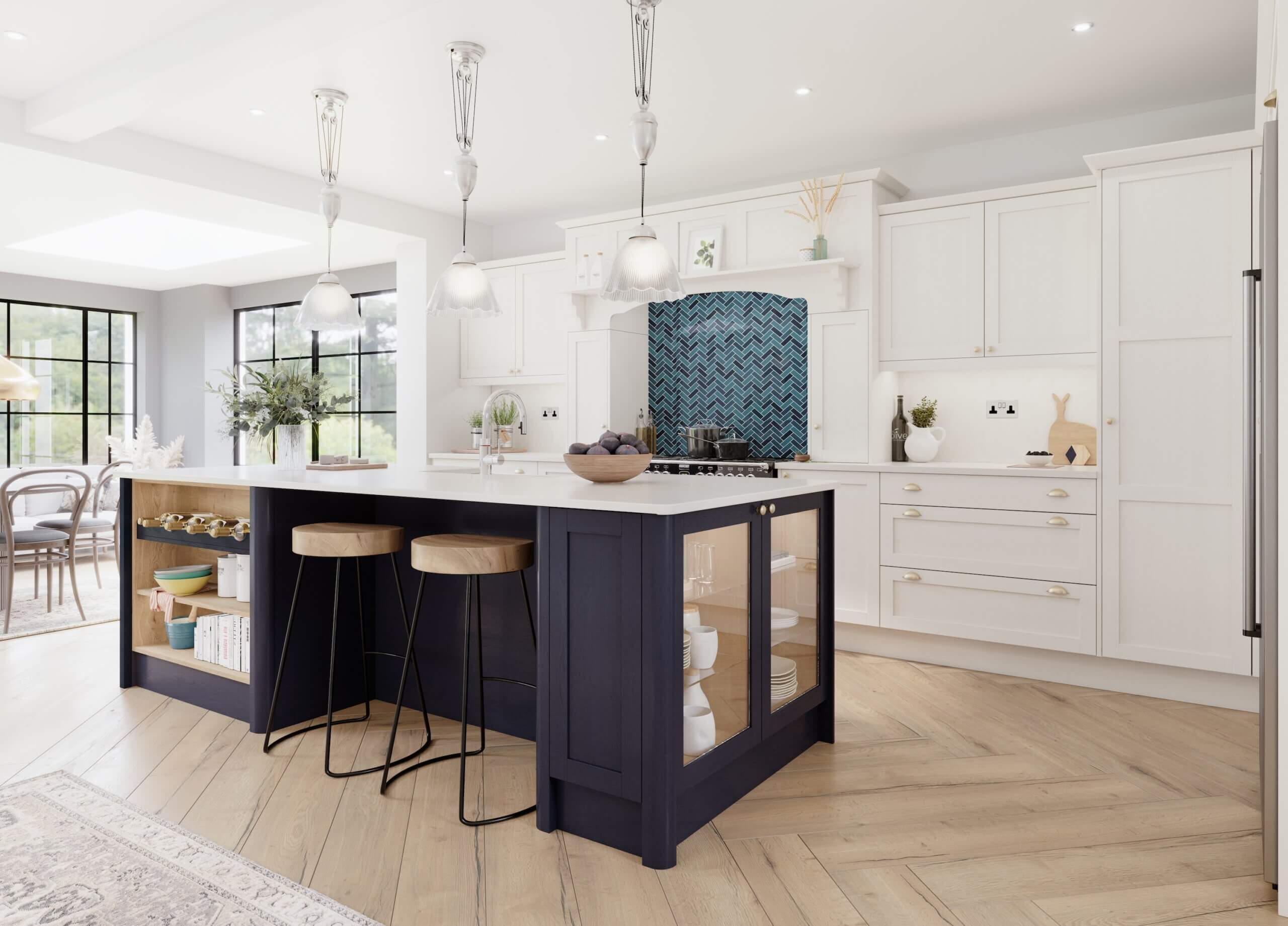
“Islands or breakfast bars will continue to be popular as they work well for both a storage area and a place for dining. While from first glance an iconic design element has been created for the home, the cupboards that fit beneath the island are also a useful place to keep pots, pans or food. Larger islands or breakfast bars also mean that a hob or sink can be fitted in as well, again utilising every inch of surface space and creating an area that can be used in many ways.
“The versatility of kitchen cabinets also means that designers can get creative – at LochAnna, we’ve seen our kitchen furniture used in utility rooms and even open plan living areas as media storage.”

Another wonderful example of a successful kitchen island is this Classic English beauty from deVOL, which features in this Georgian basement kitchen design.
Using deVOL’s Classic English cupboards, the colour scheme is a heritage-perfect palette of off-whites, clotted creams and buttery yellows paired with a purple brown to add depth and contrast, reminiscent of historic under-the-stairs kitchens.
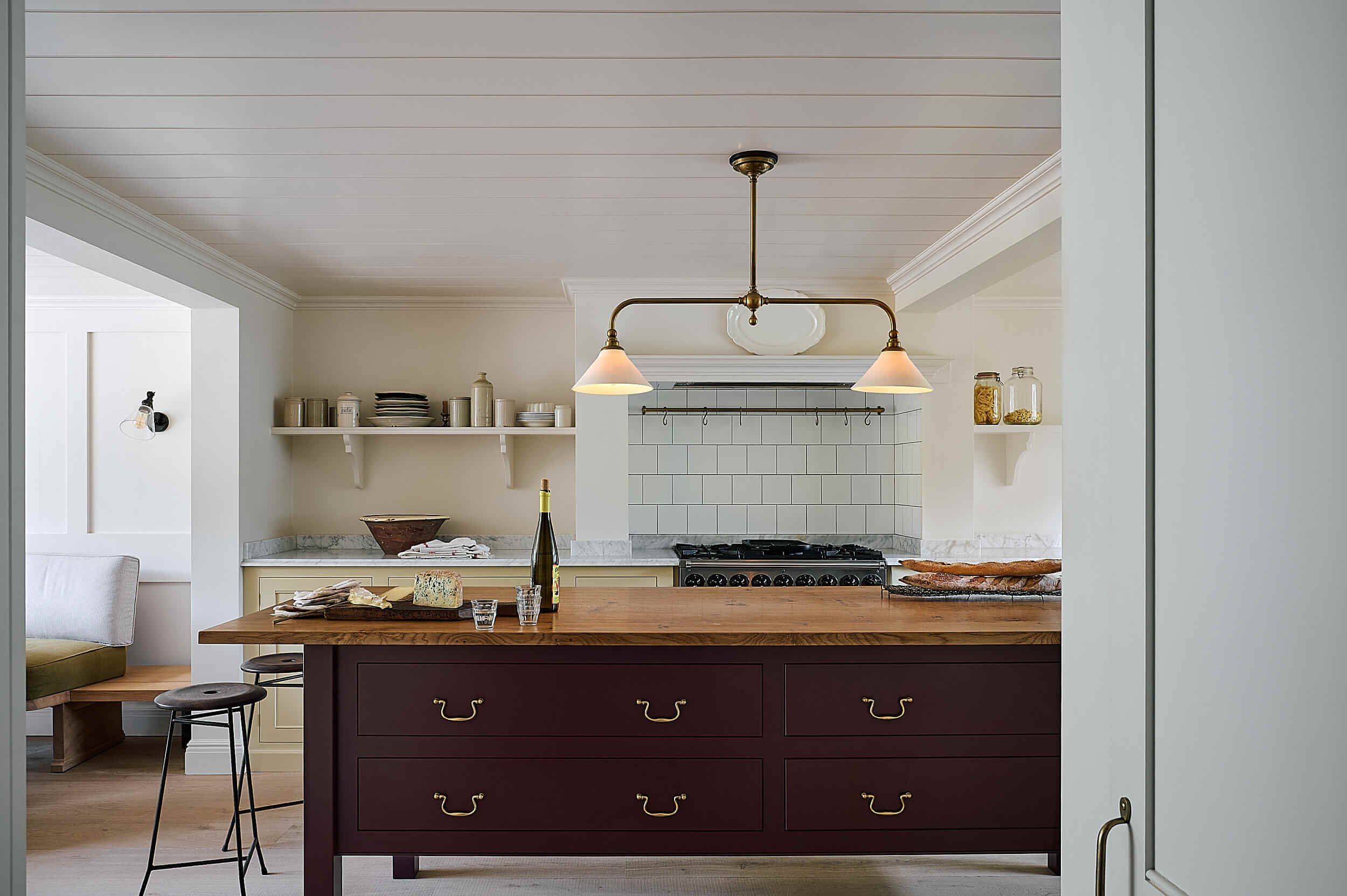
For a kitchen so serene, it’s big on storage, prep space and functionality. A neat L-shaped base run houses the cooker and sink, a separate tall larder for the integrated fridge and freezer and a big prep table sits in the middle. The choice to stick to just drawers on this freestanding piece create a tasteful and understated look with a more bespoke feel.
 No island is complete without a couple of bar stools. This autumn/winter, the kitchen island takes a new role as the heart of entertaining – a space to cook, socialise and celebrate.
Danetti’s founder, Daniel Smith, shared his tips on hosting, whether a casual supper or classy cocktail evening. “This season, the kitchen island takes on a new role as the heart of entertaining, becoming less of an area for preparation and instead a luxurious place to gather. Upholstered seating in rich tactile fabrics introduces warmth and comfort, encouraging guests to pause and indulge in the drinks poured and canapés served.
“Deep red tones are a bold and impactful choice, as they introduce a sense of depth and autumnal warmth. Pair with a neutral toned backdrop that is far from simple, with a layered approach to texture from tactile upholstery to smooth marbles. Together, these design choices transform everyday dining into an occasion, designed for everything from casual suppers to celebratory evenings.

Share this article
Featured Product: LEGRABOX
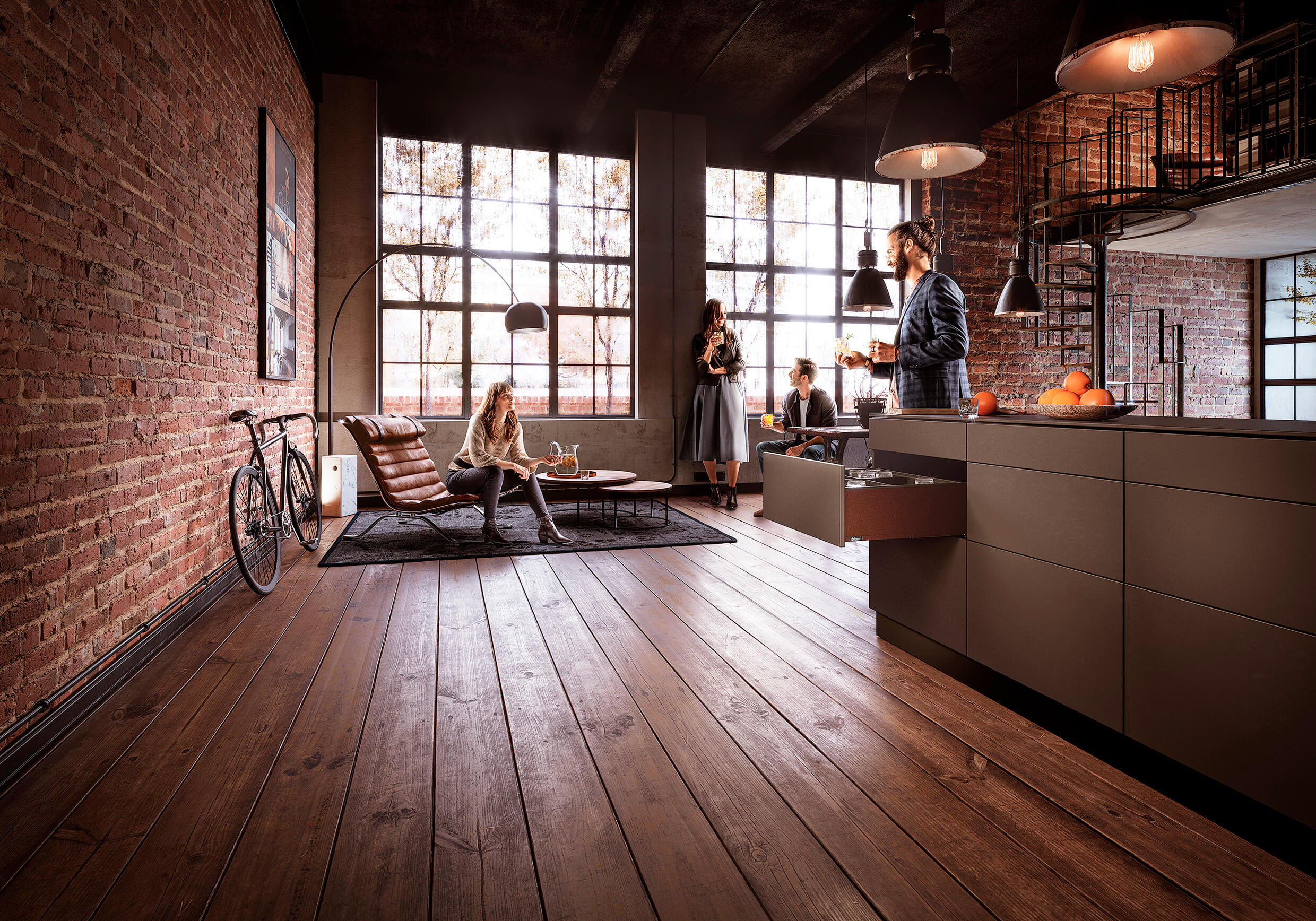
Win a Blum ORGA-LINE box worth £320!!!

Every month The Kitchen Think is giving away one of these indispensable kitchen organisers worth £320!!




Leave a comment